How to stop a parent with dementia from wandering at night
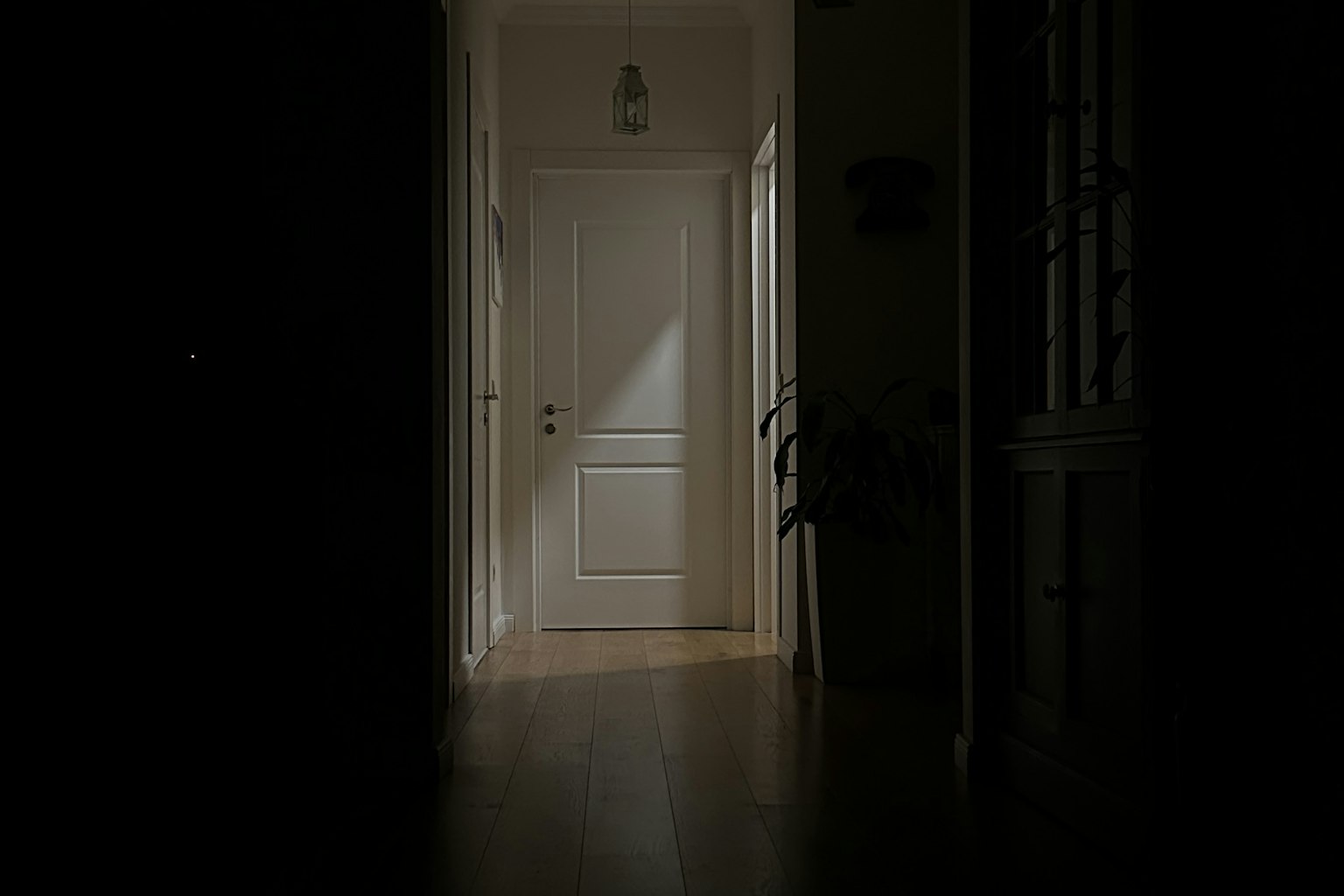
Night wandering almost always has a cause — an unmet need (bathroom, hunger, pain), day-and-night confusion, or plain restlessness — so the fix is two-pronged: reduce the triggers during the day and evening, and make the home safe so that if your parent does get up, they can't come to harm or leave unnoticed. Below, we'll work through both sides — finding the trigger, steadying the body clock, and locking down the night. (This is one piece of our complete guide to caring for a parent with dementia.)
First, a word of solidarity: nights like these are exhausting and genuinely frightening, and being woken again and again wears anyone down. None of this is your parent being difficult, and none of it is your fault. Small, steady changes — not a single perfect fix — are what move the needle.
Why it happens at night
Wandering at night isn't random. Most of the time it traces back to one of a few things, and naming the likely cause is the first step to easing it:
- An unmet need.A full bladder, hunger, thirst, or pain can drive someone out of bed who can no longer say “I need the bathroom” in words. The pacing is the message.
- Day-and-night reversal. Long daytime naps and too little daylight can flip the body clock, so your parent is wide awake at 2 a.m. and drowsy by day.
- Sundowning restlessness.Late-day confusion and agitation — often called “sundowning” — can build through the evening and spill into the night as an urge to move, search, or leave.
- Disorientation in the dark.A dim, unfamiliar-feeling room can make a person believe they're somewhere else, or that they need to go to work, find a child, or “go home” — even when they already are.
Find and fix the trigger first
Before you reach for locks and alarms, spend a few days as a gentle detective. When does the wandering start? What seems to come just before it? Often the cause is simple and fixable. Try working through the basics:
- Toileting before bed. A trip to the bathroom as part of the bedtime routine heads off the most common middle-of-the-night trigger.
- A light snack. Hunger can wake people; a small, calming snack before bed sometimes settles a restless night.
- A pain check.Untreated pain — arthritis, a sore back, constipation — is easy to miss in someone who can't describe it. Ask the care team whether evening pain relief might help.
- Less daytime napping. Long or late naps borrow from the night. Gentle redirection toward an activity in the afternoon protects nighttime sleep.
- Daylight and activity by day. Time outside, a walk, or simply sitting by a bright window helps tire the body and reset the clock.
- Cut caffeine and late fluids. Move coffee, tea, and cola to the morning, and ease off large drinks in the last couple of hours before bed.
The National Institute on Aging makes the same point from two angles: make time for daytime activity and exercise to reduce restlessness, and limit daytime napping and caffeine while keeping evenings calm and well-lit. Meeting basic needs — hunger, thirst, toileting — does a surprising amount of the work.
Set the body clock
Many night-wandering problems are really sleep-timing problems, and the body clock responds to routine more than to willpower. The goal is a day with a clear shape: bright and active in the morning, winding down as evening comes.
- Keep a consistent schedule. Wake, meals, and bedtime at the same times each day give the body strong cues about when to be awake and when to rest.
- Get morning light.Light early in the day is one of the strongest signals that it's daytime — open the curtains, step outside, or sit by a sunny window. Our piece on how morning light steadies dementia sleep explains why this works and how to build it into the day.
- Build in daytime activity. Movement and engagement during the day reduce the restless energy that otherwise surfaces at night.
- Make evenings calmer. Lower the lights and noise after dinner, avoid stimulating TV, and keep the last hour quiet and predictable. Because late-day confusion can feed evening agitation, a gentle wind-down matters as much as anything.
Make the night safe
Here's the part that lets you breathe: even while you're working on the triggers, you can make the home safe tonight, so that if your parent does get up, they can't be hurt and can't leave unnoticed. This is the core of the whole thing — wandering is common, and a safe home turns a terrifying possibility into a manageable one.
- Light the path to the bathroom.Nightlights along the route — bedroom, hallway, bathroom — cut confusion and prevent falls when a half-asleep parent gets up.
- Remove trip hazards.Clear loose rugs, cords, and clutter from the nighttime path so a dark walk doesn't end in a fall.
- Use locks they can't easily operate.Placing a lock high or low on a door — out of the usual line of sight — keeps an exit door from being opened on impulse without making the home feel like a prison.
- Add door alarms or motion sensors.A chime or alarm that sounds when a door opens, or a motion sensor in the hallway, wakes you the moment your parent is up — so you're not relying on hearing footsteps.
- Hide the “leaving” cues.Coats, keys, shoes, and a purse by the door can read as “time to go.” Tucking them out of sight removes a silent prompt to head out.
- Consider a bed or door alarm. A simple pressure mat or bed sensor that signals when your parent gets up can buy you the few seconds you need to gently steer them back.
The Alzheimer's Association recommends much of this directly — in its guidance on wandering, it suggests installing door alarms or chimes, placing locks high or low out of the line of sight, and using devices that signal when a door is opened. When you do find your parent up and anxious, lead with reassurance rather than correction — a calm voice and a gentle redirect work far better than arguing about whether it's really nighttime.
Plan for getting lost
Wandering is common enough that it's worth planning for the worst night even as you work to prevent it. According to the Alzheimer's Association, about 6 in 10 people living with dementia will wander at least once, and it can be dangerous — even life-threatening — if they get outside and lost. A little preparation now saves precious minutes later:
- Have a wandering-response plan.Decide in advance who you'll call, which direction your parent tends to head, and the nearby spots they might aim for. Consider a wandering-response or location service.
- Make sure they carry ID.A medical ID bracelet or card with your parent's name, condition, and your phone number helps a stranger or officer reunite them with you fast.
- Keep a recent close-up photo. A current, clear photo on your phone is the single most useful thing to hand to anyone helping you search.
- Tell the neighbors. A quiet word with a few trusted neighbors means more eyes who know to call you, not just watch a confused person walk by.
When night wandering means more support is needed
Be honest with yourself about the load. If the wandering is escalating, if the home can't be made safe enough, or if you simply cannot keep watch every night, that's not a failure — it's information. No one person can provide round-the-clock supervision alone, and trying to is how caregivers break. It may be time to bring in overnight help, or to consider whether a memory-care setting could keep your parent safer than the current arrangement. Our memory-care assessmentcan help you think it through, and it's worth weighing alongside the broader question of whether someone with dementia should live alone.
And please look after yourself in all of this. Broken sleep, night after night, is its own kind of harm. If you're running on empty, our caregiver burnout self-checkis a quick, honest way to see where you stand — because you can't do 24/7 supervision alone, and you shouldn't have to.
One practical thing that helps on the hardest nights: when the routine, the medication log, and a note about how last night went all live in one shared place, whoever's on duty — a spouse, a sibling, a weekend aide — can see what's already been tried and stay consistent. That shared, always-current picture is exactly what Carelo is built to hold, so the whole care circle can carry these nights together instead of one person carrying them alone.
Frequently asked questions
- Why does a parent with dementia wander at night?
- Night wandering usually traces to one of a few causes: an unmet need (a full bladder, hunger, thirst, or pain they can't put into words), a flipped body clock from too much daytime napping and too little daylight, late-day restlessness ("sundowning") spilling into the night, or disorientation in a dark room that makes them feel they're somewhere else or need to "go home." Naming the likely cause is the first step to easing it.
- How do you stop a parent with dementia from wandering at night?
- Work two sides at once. Reduce the triggers during the day and evening — toilet before bed, a light snack, a pain check, less daytime napping, morning light and daytime activity, and no caffeine or large drinks late. Then make the night safe: nightlights along the path to the bathroom, locks placed high or low out of the line of sight, door alarms or motion sensors, and removing coats, keys, and shoes that cue "leaving." Lead with reassurance, not correction, when you find them up.
- How common is wandering in people with dementia?
- It's very common — the Alzheimer's Association notes that about 6 in 10 people living with dementia will wander at least once, and it can be dangerous, even life-threatening, if they get outside and lost. Because it's so likely, it's worth planning ahead: a wandering-response plan, a medical ID, a recent close-up photo, and a quiet word with trusted neighbors.
- When does night wandering mean a parent needs more supervision?
- Consider more support when the wandering is escalating, the home can't be made safe enough, or you simply can't keep watch every night. No one person can provide round-the-clock supervision alone, and broken sleep night after night is its own harm. That may mean overnight help or weighing a memory-care setting — a memory-care assessment can help you think it through, and it's worth checking your own burnout level too.
Carelo's guides are general information, not medical, legal, or financial advice — always consult a qualified professional about your situation.
← Back to all guides