Aging in place: a room-by-room home safety and fall-prevention checklist
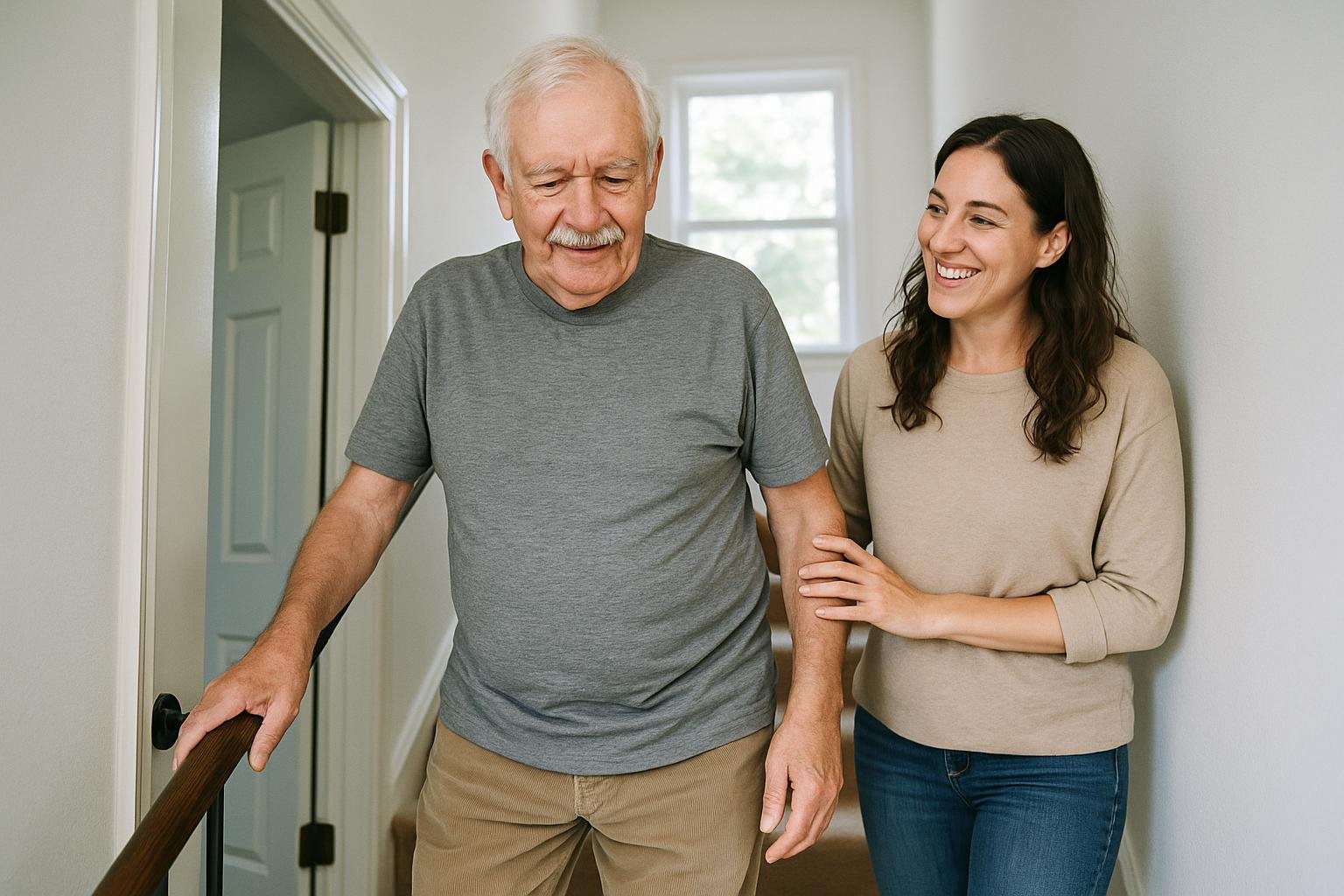
Most older adults say the same thing: they want to stay in their own home. Good news — with the right changes, many can, safely. The single biggest threat to that plan is a fall: falls are the leading cause of injury for older adults, and one bad fall can end independence overnight. Here's a room-by-room checklist to make a home safer before that happens.
Start with the whole house
- Clear walking paths of clutter, cords, and low furniture
- Remove or tape down loose throw rugs (a top trip hazard)
- Brighten the lighting everywhere; add night-lights on the path to the bathroom
- Put a charged phone and an emergency contact list within easy reach
- Consider a medical-alert device for when no one's there
Entryways & stairs
- Sturdy handrails on both sides of every staircase
- Non-slip treads and good lighting on steps; mark the top and bottom step
- A ramp or step rail at the entrance if steps are a struggle
Bathroom — the highest-risk room
- Grab bars by the toilet and inside the shower/tub (anchored to studs, not suction cups)
- A non-slip mat in the tub and a bath mat that grips the floor
- A shower chair and a handheld showerhead
- A raised toilet seat if standing is hard
- Set the water heater to 120°F to prevent scald burns
Bedroom
- A lamp and phone within arm's reach of the bed
- A clear, lit path to the bathroom
- A bed at a height that's easy to get in and out of
Kitchen
- Move everyday items to waist height — no step stools or deep reaching
- An auto-shutoff kettle; consider stove knob covers or an auto-off device if memory is a concern
- A sturdy chair for tasks that take a while
When modifications aren't enough
Home safety buys time and independence, but it isn't a substitute for care when needs grow. If you're noticing more than just clutter — missed medications, weight loss, confusion — it may be time to read our guide on the signs a parent needs more help, and to weigh home care vs assisted living.
Make it a shared project
A safety overhaul is a great thing to split across the family: one person handles grab bars, another the lighting, another researches a medical-alert device. Keeping the list and who's-doing-what in one shared place — instead of a forgotten group text — means it actually gets done. That kind of shared to-do is exactly what Carelo helps families coordinate. Walk the house together this weekend; most of this checklist is a single afternoon and a hardware-store run.
Frequently asked questions
- What is the most dangerous room for older adults at home?
- The bathroom is the highest-risk room, so it deserves attention first. Add grab bars by the toilet and inside the shower or tub anchored to studs rather than suction cups, use non-slip mats, and consider a shower chair and handheld showerhead. Setting the water heater to a safe temperature also helps prevent scald burns.
- How do I prevent falls for an aging parent living alone?
- Start by removing trip hazards: clear walking paths of clutter and cords, and remove or tape down loose throw rugs, which are a top trip hazard. Brighten lighting throughout the home, add night-lights on the path to the bathroom, and keep a charged phone within easy reach. Falls are the leading cause of injury for older adults, so these basics matter.
- What home modifications help someone age in place safely?
- Helpful modifications include sturdy handrails on both sides of every staircase, non-slip stair treads, and grab bars in the bathroom. In the kitchen, move everyday items to waist height and consider an auto-shutoff kettle. Home safety buys time and independence, but it isn't a substitute for care as needs grow, so reassess regularly.
Carelo's guides are general information, not medical, legal, or financial advice — always consult a qualified professional about your situation.
← Back to all guides